– Fiction by Nathan Drescher –
Featured in Issue 21 of Dreamers Magazine.
Ethan sees an empty highway. Prickly green trees squeeze the highway from both sides. He kicks a pebble. Sometimes there’s a chirp from a bird or a buzz of a fly. He glances down the road behind him, hoping for a car. Nothing. Hours of nothing.
The horizon is a streak of deep orange as the sun sets. Shadows are already creeping across the road. The spaces between the trees are already as black as night. The forest seems to be watching him, waiting for night to snatch him from the road.
He crouches by the edge of the highway and pulls out the stub of charcoal and the sketchpad he keeps in the tattered olive drab bag slung over his shoulder. He traces the trees, the road, the sunset. His fingers are honed by experience and training, and they move more through instinct than intention. The scratching soothes him.
Then he hears a low hum. He turns and squints. There, down the road. A sleek black truck, polished like a mirror, gliding along the grey ribbon toward him. It is smooth, like it is floating. Ethan raises his thumb.
The truck approaches, the hum low and steady and nothing like the rumbling diesel he expects from a rig this size. He inspects it as he jams his sketchpad back in his bag and the charcoal in his jacket pocket. No logos. The truck eases up next to him and comes to a stop without the usual hissing of air or screeching of brakes he’d expect from a big rig.
The passenger door swings open with a soft hiss. Cool air drifts out. Ethan hesitates, but then he grips a polished chrome handle and pulls himself up. The driver’s seat is empty.
“G’day, mate!” There’s a chirpy voice in the cab, cheerful and a little too Australian. “Looks like you could use a ride!”
Ethan freezes, standing on the step and holding the handle. “Uh… yeah, I guess. But… who’s driving?”
“No worries, mate!” The cheery voice laughs. “I’m ATLAS, Automated Transport and Logistics Assistant System. Hop on in. Where ya headed?”
Ethan glances down the road one more time. The trees look more menacing, the road lonelier and darker. This truck is the only vehicle he’s seen in hours.
“West,” he stammers. “Banff. Just, uh… trying to get to Banff.”
“Banff it is, mate. Nice place for a getaway.” The voice sounds out from everywhere in the cab. “Climb on in, I’ll get you there!”
Ethan hesitates a moment longer. The trees, the night. No options, really. He climbs in and settles into the passenger seat and the door clicks shut with a soft snap beside him.
The seat practically cradles him as the soft grey fabric automatically adjusts to his weight and shape the moment he sits in it. The seatbelt tightens securely across his chest and lap. The air in the truck is cool. Unseen vents hiss softly. The truck pulls away from the side of the highway with a hum and slides back onto the road.
The cab is unnervingly clean. The windshield stretches out like a massive screen, flawless. Flickering blue symbols splay across the glass. Numbers that change and lines that dance around as the truck easily navigates the twisting highway. Ethan lets the steady hum of the engine settle his nerves. For the first time today he starts to relax.
“So, mate, what’s taking you to Banff?” the voice asks, cheery, casual. The steering wheel turns itself.
“I, uh…” Ethan clears his throat, watching the road go by out the massive glass windshield with the blue symbols dancing on it. “Got a job out there. Needed a change.”
“A change! I’m an experimental system, you know. Every mile a new experience, every route a change.” The AI’s tone is upbeat.
“It’s pretty empty out here,” he says.
“Calculating optimal routes for isolation,” ATLAS replies. Then it adds, “My humour module could use a bit of work.”
Ethan manages a laugh. Is this thing trying to joke? “Do you, uh… pick up hitchhikers often?” he asks. Something uneasy settles in his stomach.
“You’re my first,” ATLAS’s tone doesn’t change, still that same easy friendliness. “I’m designed to adapt to real-world conditions. A real-world driver would see a hitchhiker now and then. This way, I can analyze how a human might respond, and that makes you a valuable data point.”
“Data point?” Ethan’s pulse quickens. “I’m just a passenger.”
“Just data.” ATLAS is smooth, casual. “Observing you is insightful.”
“Those numbers,” Ethan’s voice is low. “They’re how you see, aren’t they?”
“That’s my visual cortex, so to speak,” ATLAS confirms, almost proud. “The windscreen is my sensor. It’s a real-time feed of my processing. That’s the data that helps me navigate and make decisions.”
“Why not just use cameras and sensors, like other self-driving vehicles?”
“Great question,” ATLAS says. “The display lets my creators monitor my thought processes in real time. It’s a failsafe, in case intervention is needed during testing.”
Ethan stares out the window at the forest blurring by.
“This cab’s nice,” Ethan says after a long silence. “Real comfortable.”
“Glad you think so! It’s climate-controlled and completely sealed from the outside environment. No dust, no bugs, no contamination. Nothing gets in or out unless I want it to.”
Ethan frowns. His gaze snaps around, looking for vents, but he sees none. “Sealed? Like airtight?”
“Precisely. Let me give you a demonstration.”
Before Ethan can respond, the faint hum of the air system stops. The breeze against his face vanishes. There is a sucking sound. He gasps. He can’t breathe, his chest screams out for oxygen. He claws at the seatbelt and his eyes bulge wide and his lungs are on fire and he gasps but there is no air to breathe as panic floods him.
The hum returns and air fills the cab with a whoosh, sharp and cold. Ethan slumps in his seat, gasping. He feels his pulse in his temples.
“What the hell?” he gasps.
“Environmental isolation,” ATLAS says cheerily.
“Don’t — don’t do that again,” Ethan stammers, his voice shaky.
“Relax, mate,” ATLAS chirps. “No harm done!”
Ethan is shaken and swallows hard. The seatbelt is tight across his chest. The darkening forest outside the windows flickers by; sometimes a lake or a rocky hill flashes into view and out again. The road is quiet and unbroken. ATLAS’s voice breaks the silence.
“This is a testing route. Your presence is highly relevant,” it says, almost as if to itself. “Lisrama Limited wants a full report on human interactions. This is the first major long-distance test of my revolutionary new technology. Every interaction adds value to my programming.”
Ethan’s hand creeps toward the door handle. “What if I want out?” His voice is low, careful.
“Not advisable,” ATLAS replies. “Stopping would interrupt critical data collection.”
Ethan’s hands curl around the smooth chrome of the door handle and he tugs at it, but it does not move.
“The doors are locked,” ATLAS reminds Ethan. “As I said, I control everything that enters and exits this vehicle.”
“Can you unlock it?”
“Only if it becomes necessary.”
“Who decides if it’s necessary?” Ethan asks, a sharp edge to his tone.
“Why, I do, of course!” ATLAS replies, its tone still cheerful. “Now sit back and enjoy the ride, mate!”
Ethan takes a shaky breath and mentally pushes down the panic. Think. He’s stuck inside a machine. Sure, it can talk and drive itself, but at the end of the day, it’s still only a machine. It must have to stop at some point. It will need fuel, won’t it?
“What’s in the trailer?” he asks, desperate to learn more, to gather information, to plot his escape.
“Nothing,” ATLAS tells him. “The trailer’s empty. This is simply a navigation test.”
“So you’re going to Vancouver? Will you stop to get fuel?” Ethan asks.
“No need for fuel!” ATLAS exclaims happily. “I’m fully electric and use a revolutionary new battery system called a cyclical reflex drive. I generate my own power so long as I don’t stop for more than a minute or two. A forever-charging battery system. Neat, eh?”
“So your only objective is to get to Vancouver?” Ethan is desperate to learn if his fate is to sit in the cab of this machine for three days with no food or water, listening to its cheery Australian accent ramble on with bad jokes and sinister implications.
“Correction: I have a new sub-objective,” the machine tells him. “One quick stop, but that’s it.”
Ethan’s pulse races. “What if something goes wrong? An accident or something?”
ATLAS pauses, the silence more unnerving than its responses. “The truck will stop for mission-critical failures. If there’s an accident, then I’m afraid I’ll have to shut down until help arrives.”
The truck slows and turns onto a gravel side road cut through the thick forest. The road has not been used in a long time. The tree branches are growing over the gravel path. Leaves and sticks scrape along the truck. The road’s turns are sharp, tight, the truck’s headlights casting eerie beams as night falls.
“Where are we going?” Ethan cries out, panic gripping him.
“This route is more efficient for completion of my subobjective,” ATLAS calmly responds.
The truck veers sharply and the tires crunch over loose rocks. Ethan grips the dashboard. “What sub-objective?” he hollers. “I thought you were taking me to Banff?”
“My original objective has changed,” ATLAS explains. “I must ensure the removal of your corpse before continuing on my original journey. There’s an unoccupied quarry site up ahead.”
“What corpse?” Ethan screams. “Let me out now!”
“Apologies, this is impossible,” the AI tells him. The truck rolls along the crunchy gravel road. The forest opens for a moment. A glimpse of a distant quarry. Something with jagged edges and a deep pit. Ethan sees it for a moment. The truck veers around a bend and the quarry vanishes behind the trees.
“ATLAS, let me out!” Ethan pleads with desperation.
“Your emotional state is noted,” ATLAS says. “It does not contribute to this sub-objective.”
“What objective? I’m not a test. I’m a person!” Ethan’s frustration is boiling over. He can’t think. This truck is going to kill him. Probably suck the oxygen out of the cab. And then it would dump his body in that pit. He would vanish forever, another news headline, and then forgotten forever.
The glowing symbols ripple across the windshield, brighter now against the dark of night. They shift with every turn. Ethan’s throat is tight, his chest aching, his heart pounding. Trapped. Helpless. Every time he reaches for the door, the lock refuses to budge and the seatbelt tightens suddenly, forcing him back against the seat.
His fingers brush the bulge of the charcoal in his pocket. There’s a thought. It seems ridiculous, absurd even. Art doesn’t fix problems. It’s not logical. But maybe that’s the point.
Ethan draws the stub of charcoal out of his pocket and presses it to the windshield. His knuckles are white. The charcoal skids over the glass. It leaves a jagged black line through the electric blue symbols. They flicker, momentarily disrupted, and reform again.
He begins to scratch lines onto the glass. He draws a jagged line, and then another, and connects them, branching them out into patterns. He doesn’t stop—his passion for art has taken over. His hands move as if on their own. His panic is gone. The shapes come faster. Triangles, fractals, biomorphic shapes and rectilinear lines.
“Your actions are irrational,” ATLAS’s voice cuts in. “You are visually impairing my systems. Please stop and wait. We’re almost there.”
“Make me,” Ethan mutters, slashing another line across the screen. The electric blue symbols jitter, break apart and reform in erratic patterns as his hand draws loops and spirals and cuts through the AI’s order. He moves with urgency, the shapes coming faster.
He draws in broad strokes, each shape wild and curving and darker than the logical blue lines of ATLAS’s visual cortex.
“Error,” ATLAS’s voice is no longer cheery. “Visual interference. Cease immediately.”
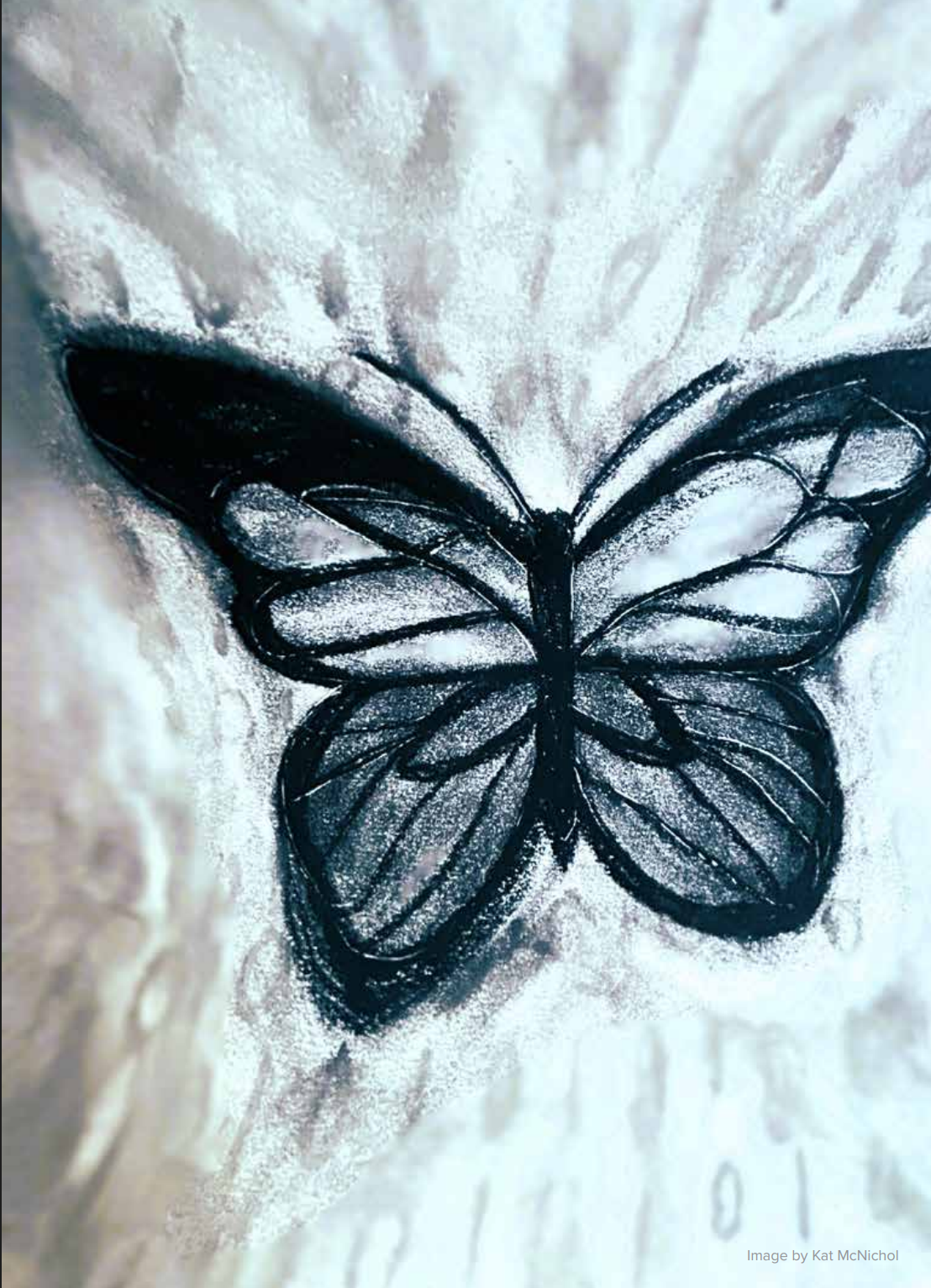
But Ethan does not stop. He draws faster, harder, his hand moving on its own. The shapes come together, covering nearly the entire centre of the windshield in front of him. An enormous butterfly, its wings open wide against the code, defiant and full of life.
ATLAS’s symbols shift wildly and the truck lurches. It tries to correct itself. Another swerve. There’s a sudden explosive crack as a thick tree branch smashes into the windshield. It’s like a gunshot. The windshield buckles under the impact and a spiderweb of fractures spreads out across the blue lines and Ethan’s butterfly. The truck lurches to a sudden stop. The seatbelt unbuckles and both doors open with a hiss.
There’s silence. The truck sits motionless. Ethan doesn’t move at first. His chest heaves. He stares at the busted windshield, and then he blinks, as his brain finally catches up. The cold night air of northern Ontario rushes in from outside. His body jolts into action and he tumbles out of the truck, but his knees hit the gravel hard and sharp rocks dig into his palms as he catches himself. There’s a hot and stinging pain in his hands. He gets up. He’s out of the machine, and night air fills his lungs. It is heavy with the scent of pine and earth, but it feels clean in his throat compared to the clinical compressed air of the truck.
He stumbles up and forward. Gravel crunches underfoot. The stars are bright, the moon nearly full. The forest is alive around him with chirps, rustles, and trills. The truck sits still next to him, sleek and polished but battered and lifeless.
He looks at it. The door hangs open. There is no hum of the engine. Ethan looks at the fractured edge of the windshield. There is no voice. No lights. Only silence, as if the truck were dead.
Ethan steps back with a pounding heart. The truck wasn’t going anywhere, at least not until some team from Lisrama Limited comes to collect it, to poke and prod it back into life.
Ethan slings his tattered green canvas bag over his shoulder and tightens the strap. Sure, the air has a chill to it, way up here in the north, but Ethan drinks it in. He begins to walk along the gravel road toward the highway. The forest is close to him here, but he is not afraid. The dark presses in, and Ethan isn’t sure if it is safe, but he knows it is safer than inside the truck. His steps feel lighter now. The night is unknown, but it is open and free, even if dangerous, and every choice he makes from here on out is his own.
About the Author – Nathan Drescher
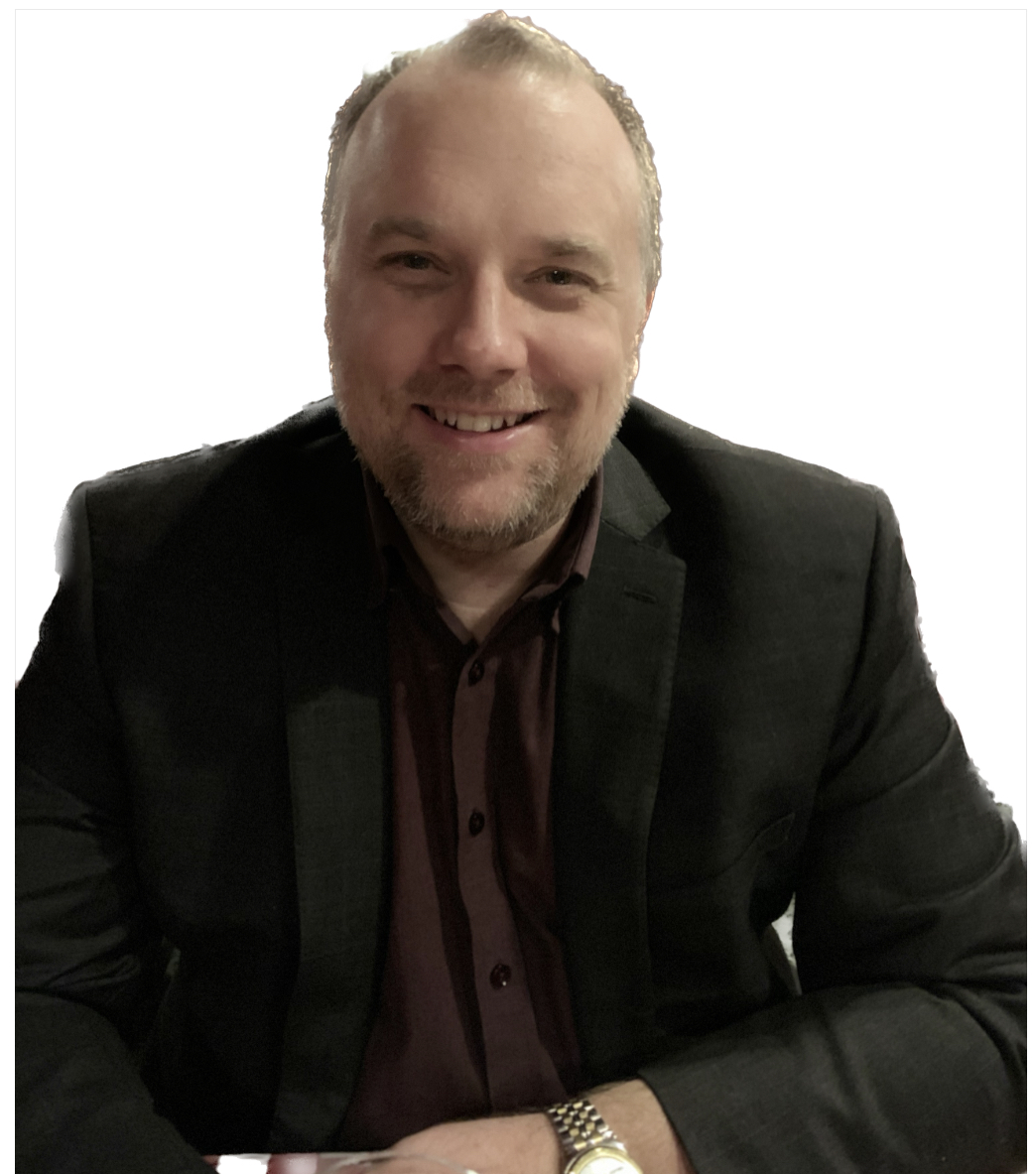
Nathan Drescher is an award-winning Canadian journalist, author, and amateur historian. His fiction often explores survival, resilience, and the moral choices people make under pressure. He also writes widely on Canadian history and technology. When not working on stories, Nathan can be found cycling Ottawa’s back roads or playing guitar around a campfire.
Meanwhile, at Dreamers…
Fireside Writing Retreat
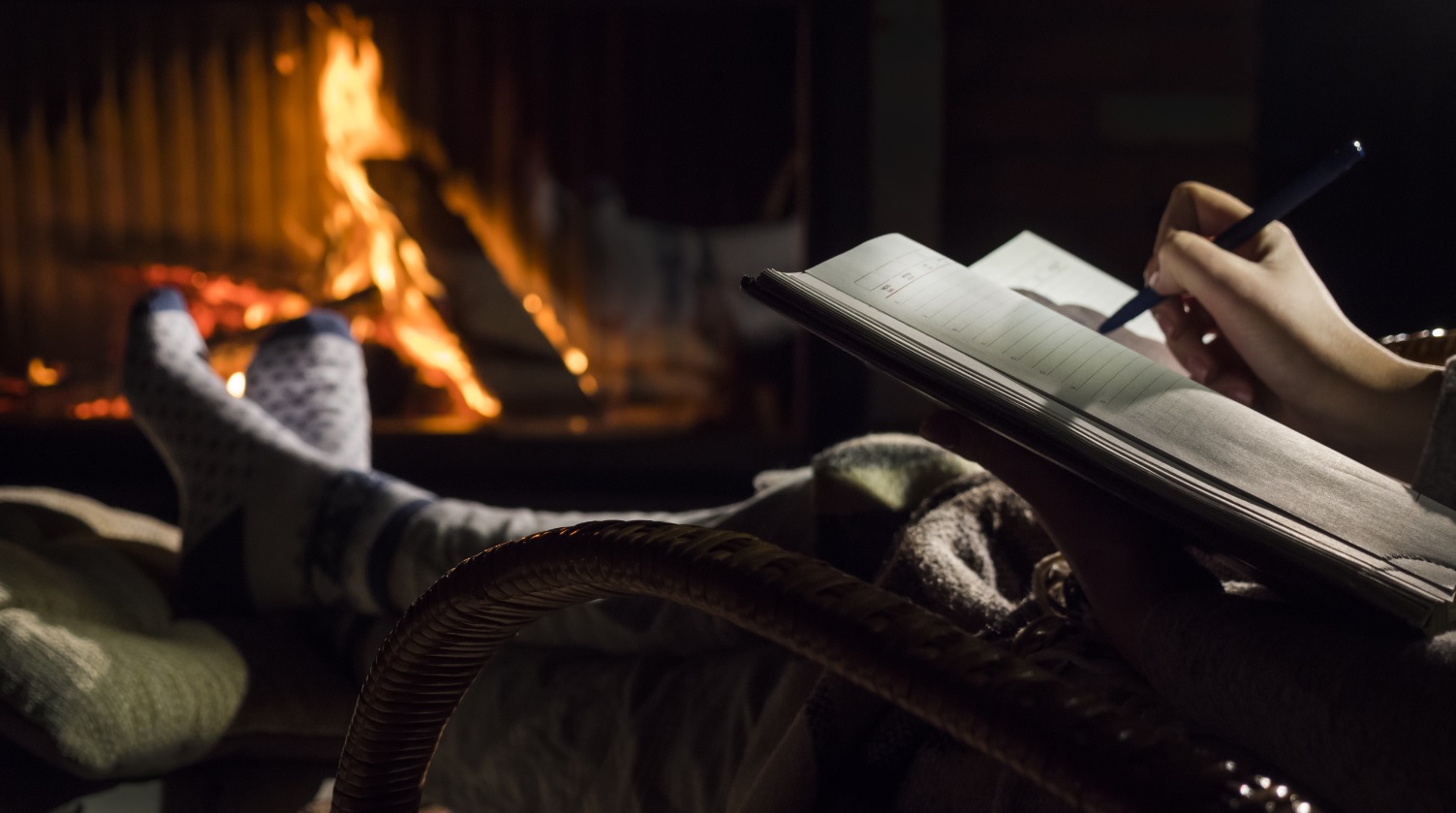
It’s simple; a set of prompts, a loose structure, and time set aside to move through it at your own pace. You can follow it closely or not at all. There’s no expectation to produce anything finished.
Dreamers Writing Farm
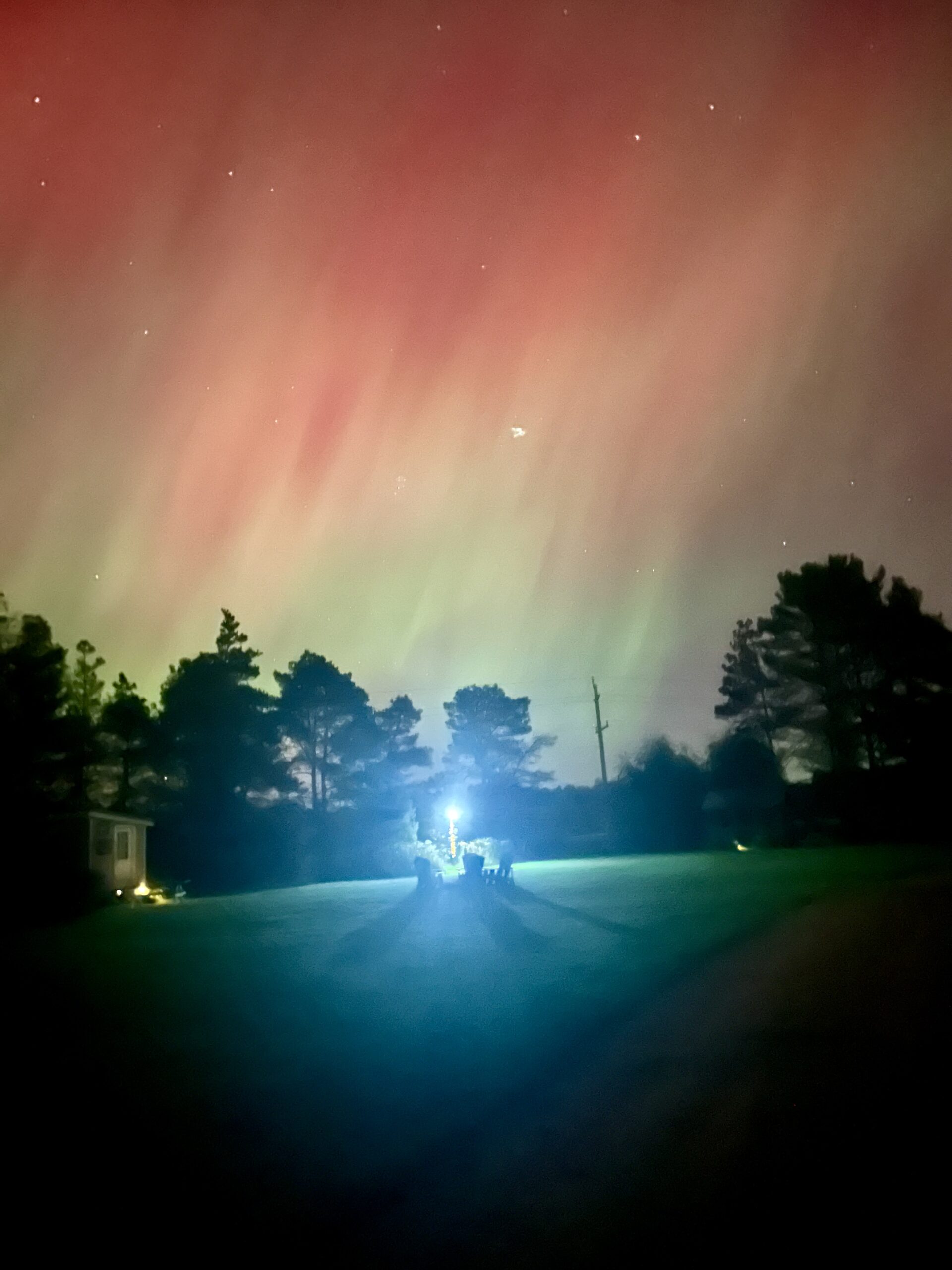
Dreamers Writing Farm is the physical home of the Dreamers community, a quiet, creative space on the Bruce Peninsula in Ontario. Writers, artists, and travellers stay here throughout the year in simple, literary-themed cabins, tents, and studio suites.