First Snow
– Nonfiction by Martha E. Shenton –
First Place in the 2025 Dreamers Flash Contest

Albert, our black lab, is scratching his large head, but the Yorkie, Biff, has not begun to stir. I stretch my hand along the sheets to touch George’s shoulder; his absence startles me. It has been six months. But for a moment, I had forgotten that he’s gone.
The sunlight, lower in the sky, comes through the closed shades. We are deep into November now and the light dwindles daily, with the sun nearing the horizon by three o’clock. The short days remind me of the long winters in New Hampshire, walking home from school in the dark.
I open the French doors from the bedroom to let the dogs out. There is a quiet in the air, a familiar anticipation. The trees sparse with leaves, colors faded. Waiting. Not for rain or wind, but something more quiet—gentler. And then it appears, right there, before me. Standing on the threshold, leaning over and looking up, snow lands on my face. Albert bolts to greet it, his tail wagging, nose to the ground; Biff stays beside me, motionless on the door’s threshold.
The snowflakes fall. First lightly, dreamlike, but soon increase in number and size. A white coat begins to cover the glass table, my gauge for accumulation, dusting the ground, the table, the steps, as I stand shivering against the cold—waiting—I don’t know for how long, Albert’s black coat turning white.
I remind myself again that it is only November—the first snow so early and yet so welcome—New England winter arriving with a quiet reserve.
A tangle of twigs and leaves by the large sugar maple, a stray pot, two dog toys—a red ball and a large brown rubber bone—soon they too will no longer be visible, though this time of year the snow may not hold.
I want to call George to come quickly. I recall the morning he woke our daughter Jessica, just a toddler then, carrying her to the backyard to see her first snowflake. She squealed with delight as he lifted her above his head, his arms outstretched to the sky, so that our little girl could feel the snow fall on her face, catching the flakes on her tongue as she reached out to grasp what melted and was gone.
George and I stood here often in this doorway overlooking the yard, watching not only the first snow, but the arrival of the crocus in April, and the lush green leaves and irises of summer; the colors of fall that begin to fade as the long winter calls.
But today I stand alone. My hands hurting—visibly red—my nose runny. I try as I might to stop time—to clarify this moment—he is gone but ever present. There is a stillness, an empty space I cannot fill, like the gap between movements on a clock that no longer ticks. A space where something ends but nothing new has begun. I take in with one more breath this scene of falling snow and call out to Albert. He runs past Biff and me into the warm room and I close the door.
About the Author – Martha E. Shenton

Martha E. Shenton is a professor of psychiatry and radiology at Harvard Medical School whose work explores how the brain shapes human experience. After losing her husband in 2020, she turned to creative nonfiction and poetry. Her essay “Untangling Grief: Living Beyond a Great Loss” appeared in the Harvard Health Blog, and a recent poem appeared in Months to Years. She is currently writing a memoir and lives in the Boston area.
Keep Reading…
- Between Art and Story
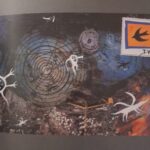 My Aunt Pat introduced me to Nick Bantock’s books many years ago, and I’ve loved his work ever since. I think of her whenever I pick one up. Bantock is a British-born artist who made Canada his home. He studied painting and spent years working as an illustrator, designing hundreds of book covers before creating books of his own. He was, in some ways, an accidental writer.
- A Tree Grows in Two Directions
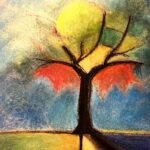 Above ground, we notice the trunk, the branches, the leaves, the fruit. Below ground, the roots are doing quieter work: growing into darkness, responding to gravity, creating the strength that makes everything visible possible. This article explores that idea through writing: the private work, discarded pages, questions, stream-of-consciousness writing, and all the thoughts that happen before a finished piece ever reaches another reader.
- Anne Carson Wins the 2026 Nobel Prize in Literature
 Canadian poet, essayist and translator Anne Carson has won the 2026 Nobel Prize in Literature. The announcement celebrates a writer whose work continues to expand the possibilities of literature, moving between poetry, prose, translation and visual art.
Meanwhile, at Dreamers…
Fireside Writing Retreat
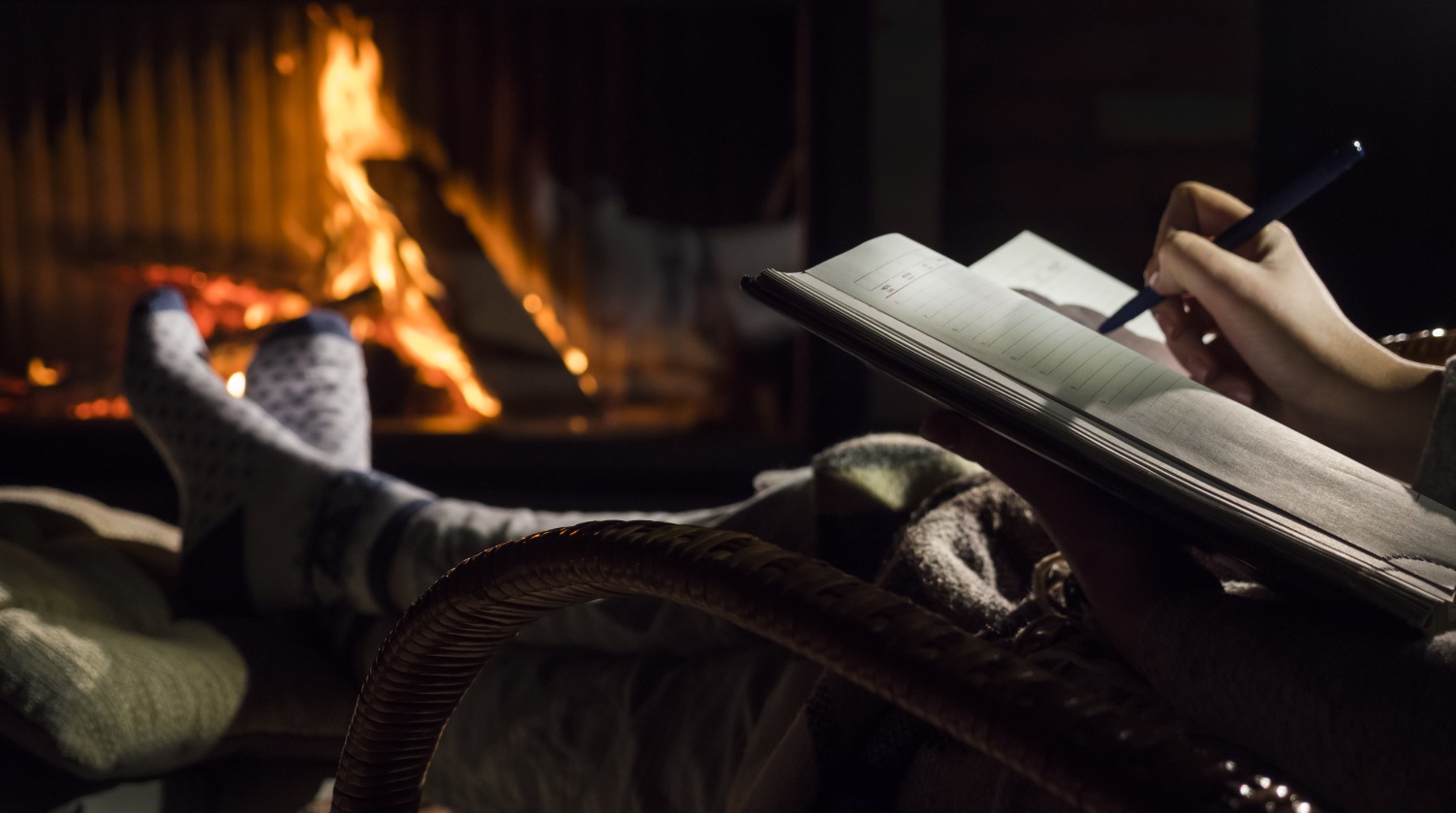
It’s simple; a set of prompts, a loose structure, and time set aside to move through it at your own pace. You can follow it closely or not at all. There’s no expectation to produce anything finished.
Dreamers Writing Farm
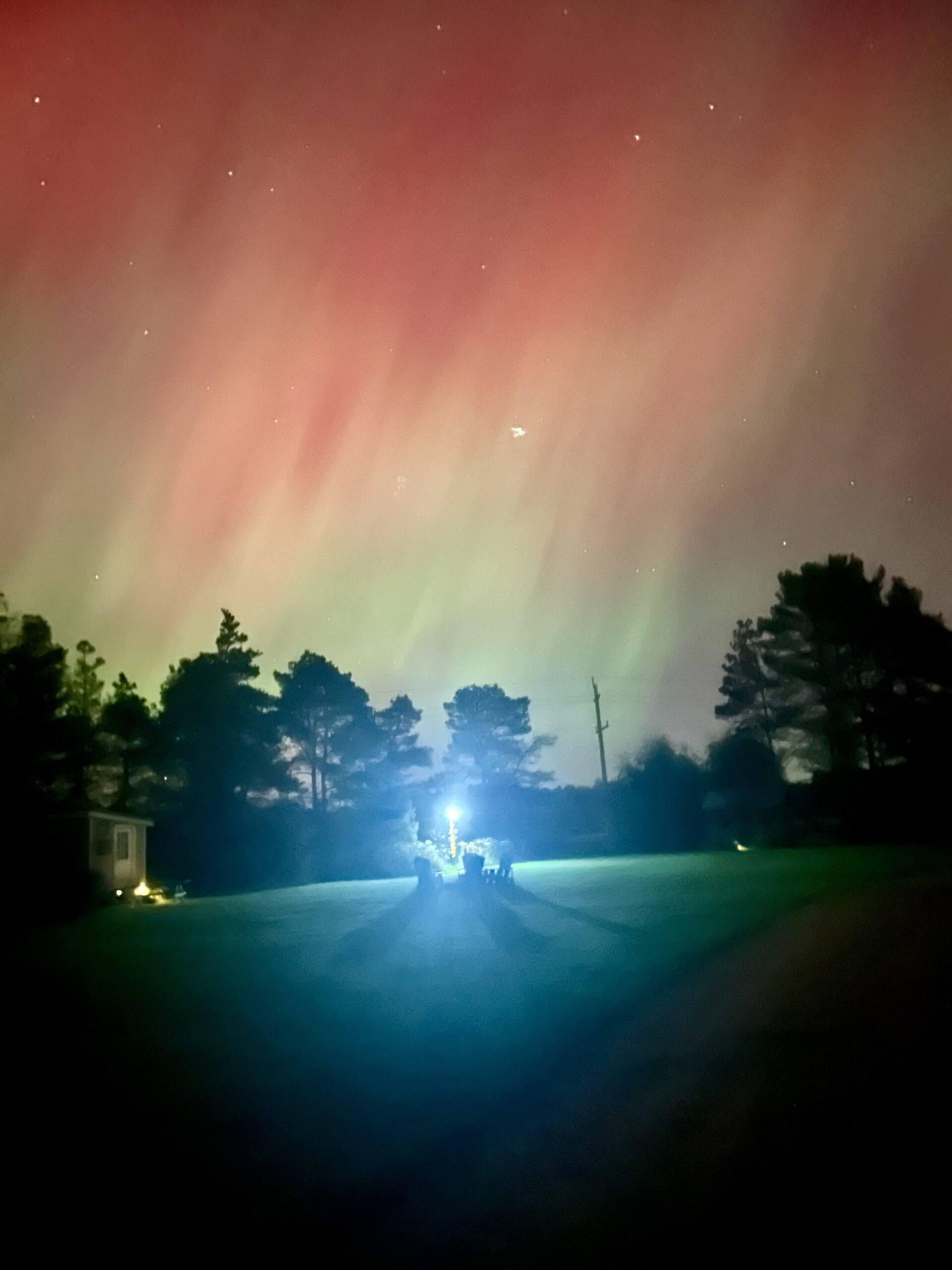
Dreamers Writing Farm is the physical home of the Dreamers community, a quiet, creative space on the Bruce Peninsula in Ontario. Writers, artists, and travellers stay here throughout the year in simple, literary-themed cabins, tents, and studio suites.