– Nonfiction by Karen Howe –
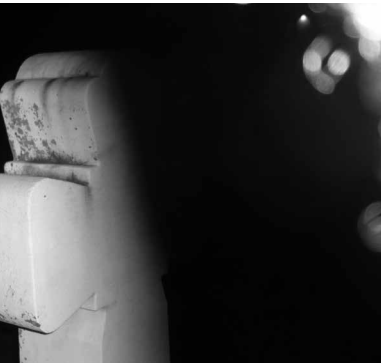
The taxi drops me off in front of monumental Victorian gates of stone. The guard hands me a tourist map and directs me to the genealogy office when I tell him I’m looking for family. After typing my grandfather’s name into the computer, I leave with a printout of Section 176, Plot 18401.
Last year, my brother discovered that my father owned a plot in Brooklyn’s Green-Wood Cemetery. We never visited the famous cemetery where his parents were buried, although we lived nearby in New Jersey.
Steamy air envelops me as I tackle the first hill, and my jeans are like plastic wrap stretched over a bowl of leftovers. I could be in a museum today, but instead, I must decide whether my parents’ cremains, as I’ve learned to call them, should be shipped from Oregon to be interred here.
When we asked my elderly parents where to bury them, my mother’s words would come out in a strangled rush: “We want to be cremated, but we don’t care what you do after that.” My father would turn towards her and shrug. We were only certain of one thing—they had to end up together.
My parents’ matching urns have nagged at me from the mantelpiece for years. I’m annoyed that they kicked the cemetery bucket down the road and envious that they had children who took care of them in old age and tidied up their loose ends after death.
I’m puzzled that I know so little about my ancestors who are buried here. I never had the chance to know either of my grandparents, and my father never shared any stories about them. His box of family photos had several of him, but none of his parents. I have only a few snippets to go by. On holidays, my mother recreated my grandmother’s recipes and used her antique china. My father boasted that no one could make an apple pie like his mother. I knew that my blue eyes, so like my father’s, were passed down from his father. In our living room hung an oil painting of a sailing ship. On the tallest mast, a flag with our family name fluttered in the breeze. Long ago, some of my ancestors were ship captains.
Arriving at our plot, I’m confronted by a 10-foot obelisk of gray-black granite with names chiseled on all four sides. Several weathered headstones surround it, shaded by ancient oaks, elms, and maples. Birds flit about and twitter high overhead. It’s peaceful, calming, serene.
I run my fingers over the worn letters on the obelisk, straining to make out each name and date. Then I visit every headstone, pausing to take photos, until I’m face-to-face with the most recent one.
Robert Dubois Howe
March 18, 1912
September 27, 1929
The name etched in granite snaps me back to my parents’ bedroom when I was 8 or 10. My mother leans towards me and whispers,
“Your father’s older brother, Robert, died suddenly when he was only 17. Your father, who was only 6 at the time, adored him. After Robert died, your grandmother shut his bedroom and the family never uttered his name again.”
My breathing catches in my chest, and my body shocks me by erupting in silent sobs.
I realize that I know my grandmother intimately, as only a mother who has lost a child can. My daughter also died suddenly when 20 years old. I too have longed to shut her bedroom door and never say her name again.
In every direction, as far as I can see, are row upon row of headstones. I’m just another in a long line of women who has to figure out how to go on living.
And I see my father anew. A cautious child in a house where he’s learned to silence his pain. His nose in a book, never troubling his parents—parents who are consumed with grief.
I lie down on the grass with my grandparents, beneath trees that have been here as long as they have. I tell them about Claire and my ache to join her.
After stuffing the maps in my pocket, I pause at the empty space next to Robert’s grave and imagine a double, dark-gray headstone. I’m certain my father belongs here, next to his brother and side-by-side with his wife, for eternity.
About the Author – Karen Howe
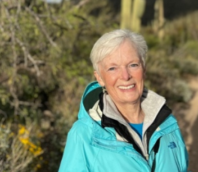
Karen Howe worked as a technical writer for several years and later as a project manager in energy and environmental nonprofits. She writes about habitat restoration, birdwatching, and her experiences volunteering as a National Park Ranger, mainly for non-profit magazines and newsletters. After losing her only child to suicide, she has been exploring personal essays about healing from grief and trauma through nature. She has been published in Grief Digest and You Need Not Walk Alone.
Keep Reading…
- Anne Carson Wins the 2026 Nobel Prize in Literature
 Canadian poet, essayist and translator Anne Carson has won the 2026 Nobel Prize in Literature. The announcement celebrates a writer whose work continues to expand the possibilities of literature, moving between poetry, prose, translation and visual art.
 - Clarity, Drunk
 Uncle Dave had come upstairs to get my dad. There was much more drinking to be had, and to be fair to Dave (not really an uncle), my dad did have a habit of falling asleep in my room while his night was still young.
 - The Queen of All She Surveyed
 Lottie cried. She was not the one who usually cried. Evelyn was the one most often cradled in Beabea’s lap, gently rocking back and forth while Beabea stroked her back.
Meanwhile, at Dreamers…
Fireside Writing Retreat
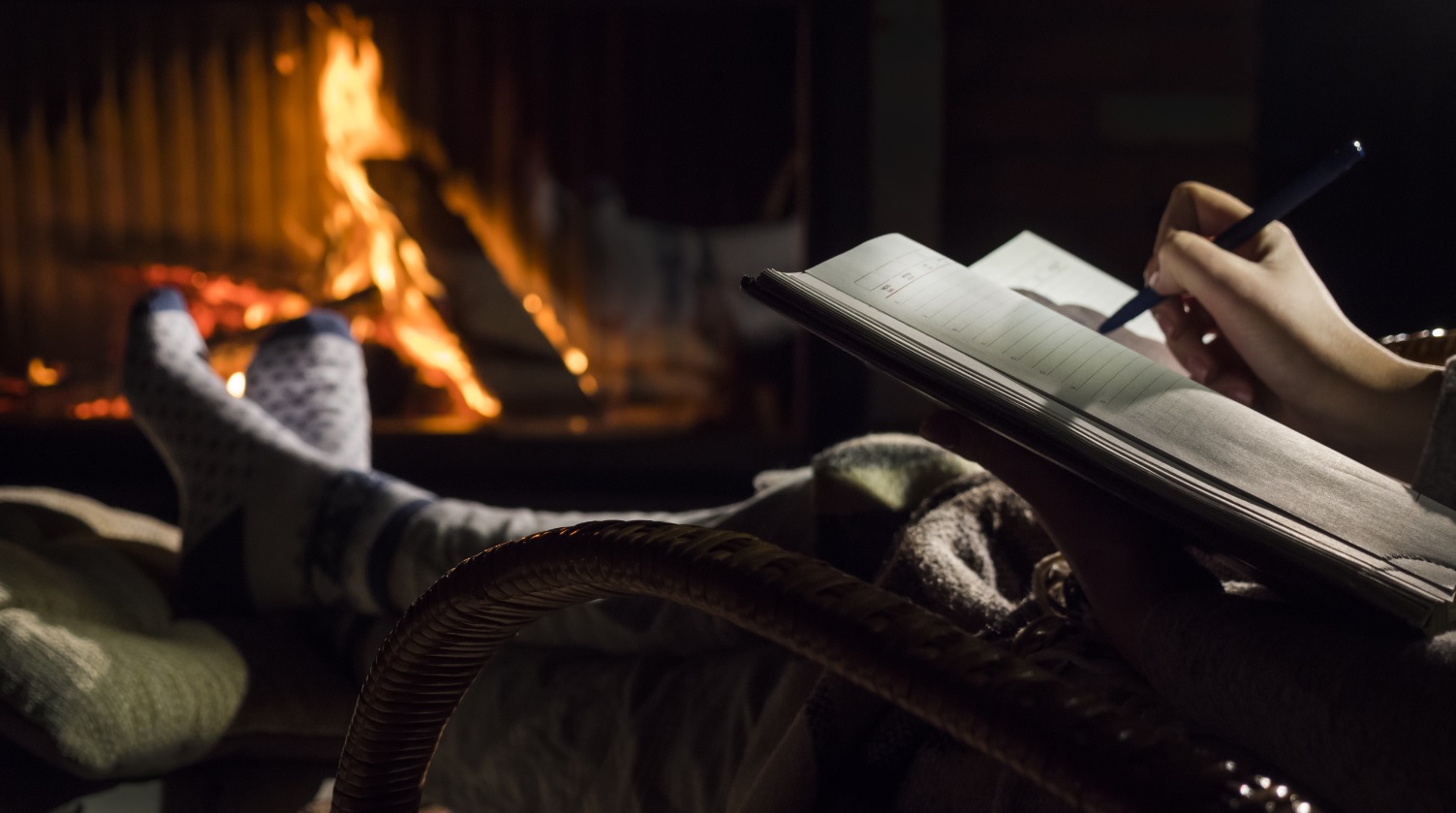
It’s simple; a set of prompts, a loose structure, and time set aside to move through it at your own pace. You can follow it closely or not at all. There’s no expectation to produce anything finished.
Dreamers Writing Farm
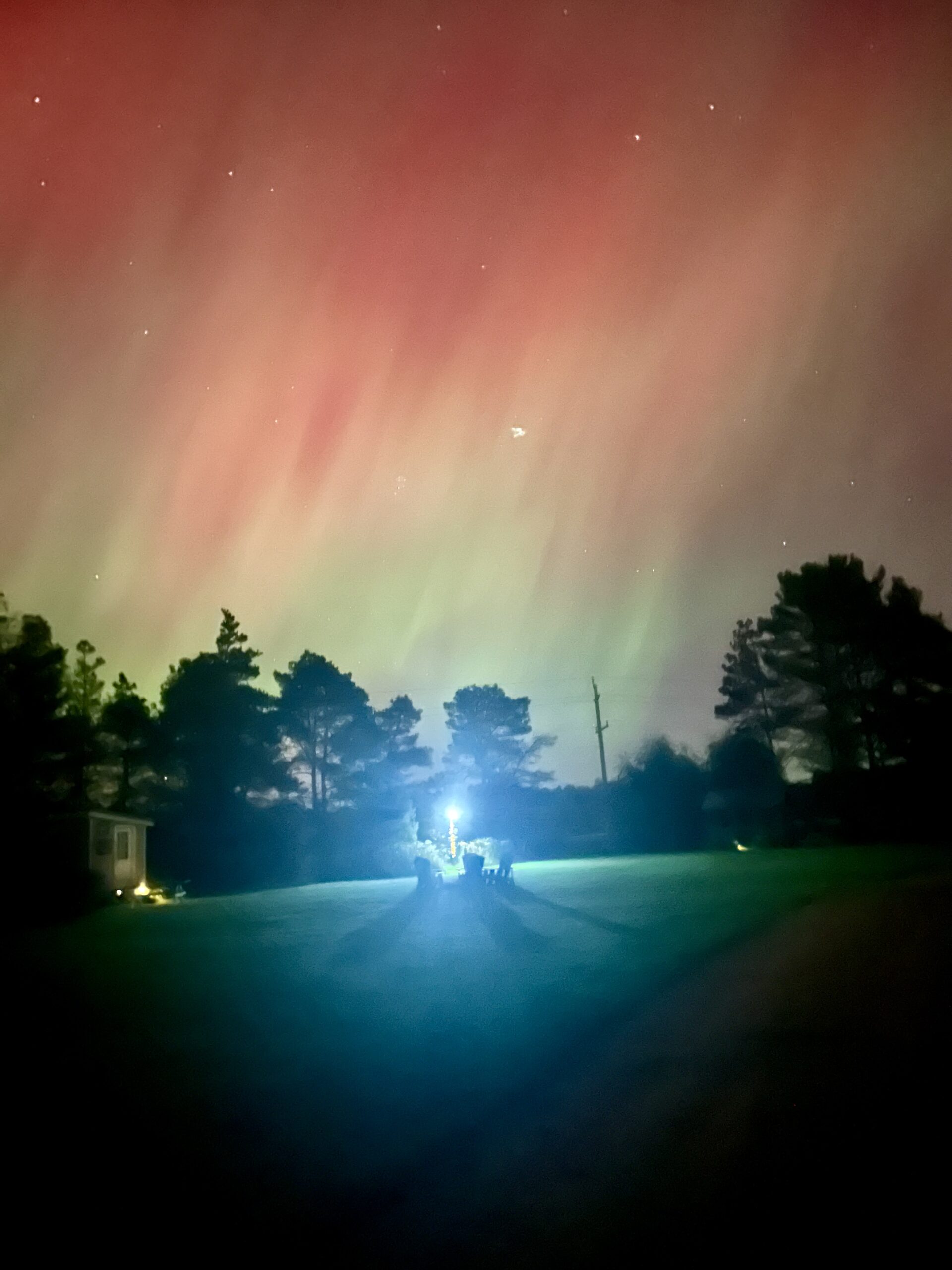
Dreamers Writing Farm is the physical home of the Dreamers community, a quiet, creative space on the Bruce Peninsula in Ontario. Writers, artists, and travellers stay here throughout the year in simple, literary-themed cabins, tents, and studio suites.