– Nonfiction by Allison Bothley –

Sometime between the murder of George Floyd and the confirmation of Amy Coney Barrett, I started to think about killing myself.
It was May of 2020, and I was home—like all of us were home—ruminating on the words “unprecedented times,” and obsessing about when things would go back to normal so I could start to enjoy my mat leave. Just two months earlier, I had welcomed my second child, another sweet boy. And now the long days and nights of that fourth trimester were starting to get old. It didn’t help that my life was also punctuated by the intense needs of my three-year-old, whose daycare was closed indefinitely.
I’d given birth in March, right at the start of the pandemic, when the needle on the wheel of fear was vellicating like the RPMs on our old stick shift. My husband had a new job and was putting a lot of energy into making the right
impression—this included going in every day once the office re-opened. I was a career gal—I encouraged it. But back home with the kids, I struggled to make captivity stimulating so our brains wouldn’t melt. I did all the things
recommended by influencers: I made sensory bins, painting stations, planned craft and tummy time activities. We built baking soda and vinegar volcanoes and watched the frothy pistachio apocalypse rain down on Batman and My Little Pony. We read every story in our library 3000 times—even the books I hid because they were annoying.
When I think of those early days, I can still smell the cookies we baked and decorated with blue and purple icing, can still recite The Very Hungry Caterpillar backwards and forwards, can still see my son during one of our impromptu Blippi dance parties holding up his chubby arms and asking me to spin him around and around the living room, saying, “Again mummy. Again.” I was trying hard to keep things afloat. But each time Justin Trudeau and his bedhead stepped to the podium to extend lockdown, a little bit of my enthusiasm would escape the metaphorical inner tube that was holding us up.
As time wore on, I began to lie awake all night worrying, watching the headlights of passing cars on the ceiling and troubleshooting how I would stop panicking the next time I had to simultaneously wipe my toddler’s bum and nurse the baby. Or how not to snap at my eldest for crying—and secretly wishing he would grow up faster and need me less. It was all starting to feel like too much, but in the sage words of some internet troll who seemed to be everywhere: “Why have kids if you didn’t wanna raise ’em?” Why, indeed.
One night, after a bad day, I went for a drive as soon as my husband got home, turning up the music as loud as it would go. It was the antithesis of Baby Shark—Alice in Chains. We weren’t supposed to leave the county, but I needed to go somewhere else. But even breakdowns are limited when you’re a parent, and my husband was blowing up my phone: the baby was hungry.
I remember stopping on the dark side road, my ragged breath, and the enormous moon hanging just out of reach like some novelty stage prop. I remember cursing with every word in my arsenal and screaming until I was hoarse. If I could just get a minute, I could control the slip. I could get my bearings. As I pulled a U-turn and pressed my foot hard to the gas, I briefly debated crashing into a tree on the right side of the road. And by debated, I mean aimed. This is how it started.
There are always challenges in new motherhood. It can be exhausting, repetitive, and thankless. But for me, the hormones, loneliness, and suffocation, coupled with the existential dread of that time, were swirling into what can only be described as a clusterfuck—for me—and mothers everywhere, it would turn out. Depression and anxiety increased by 25% in 2020, and the postpartum depression rate tripled. One in five was closer to three in five that year. Anyway, after years of repressing, performing, hustling, and tightly gripping my identity as a productive human full of chutzpah, I ran out of resilience. Something in me had started to fracture and ooze. That ooze came in the form of postpartum anxiety, intrusive thoughts, and rage.
Intrusive thoughts are abhorrent, frightening, unspeakable thoughts. Thoughts that came to mind like academic discourse. Thoughts like: Should I turn the element on high and press my hand to it? What if I pick up this knife and cut off my finger? What will happen if I drop the baby down the stairs or out the window? I knew I wouldn’t act on them—my therapist later told me to wave at them as they passed by—but they made me feel afraid, crazy, ashamed, and monstrous.
But the worst was the rage. Rage that would bubble up when I was touched out, overstimulated, and overwhelmed. This rage would shatter dishes and put a phone-shaped dent in our wall. It would start with a fluttering heart and gasping for air and overtake me like possession. And once I opened the door to it, it was impossible to put it back in.
It came running out like a football team at the start of a big game.
I would rage for all the frustration and unknowing of the pandemic.
I would rage for everyone who had told me to be grateful and satisfied.
I would rage for my infant whom no one knew.
I would rage for my three-year-old who begged for his father.
I would rage for all my shame and failure and selfishness.
I would rage for the expectation that to be a mother was to be a martyr, to stoically sit in my suffering, and I would rage for my inability to uphold those norms.
I would rage for the good-girl conditioning and value framework that kept me innately aware of my currency and
disposability.
I would rage for the immense loneliness that I had never reckoned with.
I would rage for my parents, whom I needed and whom I hadn’t touched in months, and I would rage for my inability to tell them that I needed them.
In those moments, everyone screamed, so I screamed too. Everyone cried, so I cried too. And then it would lift, and I would be myself again, and we would sink into a puddle on the floor and I would apologize over and over, and we would stare, dazed, at the TV and try to forget until their father came home. And we were always relieved to see him.
Some nights, I would crawl into bed with my toddler and put my nose into his terra-cotta hair, self-flagellating because it had been too long since his last bath and for making that joke once about him turning into a raisin when his feet got pruney. Because of that, he had to bathe with socks on and resisted even then.
All my guilt would be there too, under the Paw Patrol comforter. His cup was never full. He wanted too much of me
and I was empty. But he took anyway and I hated him for it. And that would trigger my new favourite mantra: I am a bad person. I am unnatural. It would be better for him if I wasn’t here.
“I’m thinking of killing myself,” I said to someone on the phone during the worst of it. It was hard to say but came out like a shrug, like so many of the things that I find hard to say. Like I’m talking about rearranging the living room furniture.
“Who isn’t?” she said and laughed. “I hear there’s going to be another lockdown.”
And that was the thing about the zeitgeist of the time: angst, world-weariness, and languishing so dense. A global
experience of grief, frustration, and terror—it was impossible to actively listen. Everyone was suffering or hiding or fighting. I felt like I had no right to my feelings. So, I put on the smile that generations of high-functioning women have deployed in times like these. I wore a mask under a mask—and if you passed me on the street, you would never know that I was mentally calculating how many bags of breastmilk I needed to have in the freezer before I left.
But eventually, my son began to show the strain, and I had to admit that I had a lot of tools, but I didn’t have the tools for this, and the tectonic plates of my life started to shift back into place. Daycare re-opened and I got into a treatment program through a university health network. Twice a week, we would stare at each other’s faces over Zoom—faces that intersected cultures, ages, and experiences—and tell our stories. We would cry for ourselves, our babies, and each other, and we’d say, “Me too. Me too. Me too.” And sometimes—we would laugh.
In time, my invisible enemy—the ooze—retreated. And on the advice of my therapist, I implemented frequent dates with my toddler to repair our relationship and strengthen our bond. Together, we scouted local bakeries for the best-tasting cupcake, hunted trolls under wood bridges in the park, and delighted in hours of hide-and-seek on the loamy trails of forests near our home. It’s here where my son showed me that children have a vast capacity for forgiveness, and we have so much to learn from them.
In the fall, I started hiking again. It’s a passion that has long made me feel part of something bigger—it’s my church. I strap the baby to my chest and walk for hours as he sleeps against me. One day, I sit on a rock to nurse and think about how nice it would be to invite other moms—if I knew other moms. On a whim, I start a hiking group on Facebook, telling myself that if no one comes, I’ll just be doing the same thing anyway.
But they do come. It starts with four and it grows and grows. Even women who don’t like hiking come. There are still limited programs, but there’s me, and I always plan a coffee stop. We walk—socially distanced—and tell our stories. Every one is different, but the thread of disappointment and sadness is always there. They talk and I say, “Me too,” and we share the nod of knowing. The pandemic had upended our lives, divided people, taken jobs, and brought uncertainty and death. It had muted our most joyful time. Now we were trying to get some of that joy back.
And we did.
– “COVID-19 pandemic triggers 25% increase in prevalence of anxiety and depression worldwide.” World Health Organization, 2 March 2022.
– Bailey, Laura, and Beata Mostafavi. “A third of new moms had postpartum depression during early COVID.” Michigan Medicine, 23 March 2022.
About the Author – Allison Bothley
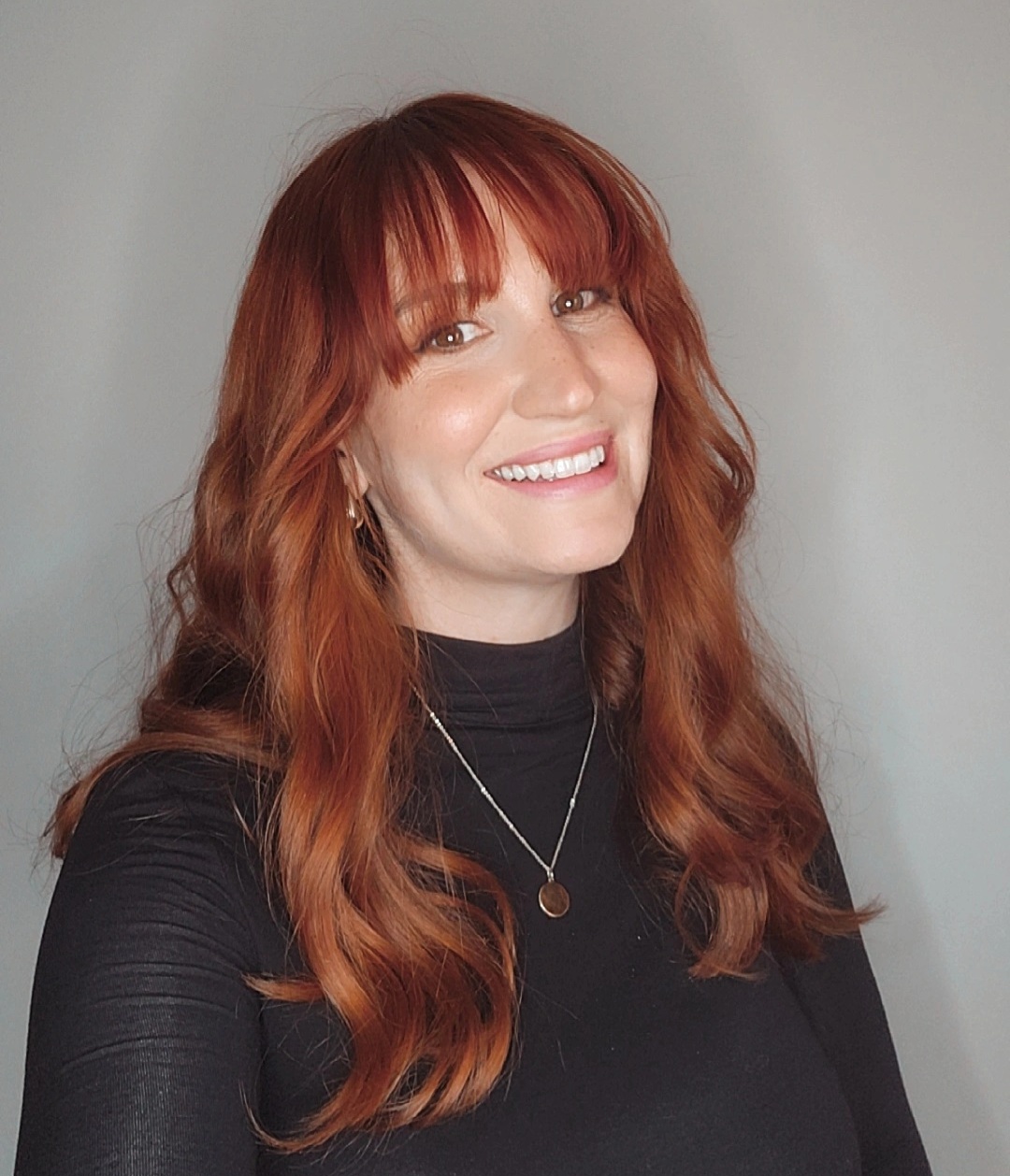
Allison Bothley is a writer and recovering MFA (The New School) who lives in Orangeville, Ontario. Her work has appeared in The Globe and Mail, White Wall Review, Sad Girl Diaries, Literary Review of Canada, and elsewhere. She is the creator and publisher of Bangs Zine, an independent space hot for big feelings, emerging writers, and lazy Sunday readers.
Keep Reading…
- Between Art and Story
 My Aunt Pat introduced me to Nick Bantock’s books many years ago, and I’ve loved his work ever since. I think of her whenever I pick one up. Bantock is a British-born artist who made Canada his home. He studied painting and spent years working as an illustrator, designing hundreds of book covers before creating books of his own. He was, in some ways, an accidental writer.
 - A Tree Grows in Two Directions
 Above ground, we notice the trunk, the branches, the leaves, the fruit. Below ground, the roots are doing quieter work: growing into darkness, responding to gravity, creating the strength that makes everything visible possible. This article explores that idea through writing: the private work, discarded pages, questions, stream-of-consciousness writing, and all the thoughts that happen before a finished piece ever reaches another reader.
 - Anne Carson Wins the 2026 Nobel Prize in Literature
 Canadian poet, essayist and translator Anne Carson has won the 2026 Nobel Prize in Literature. The announcement celebrates a writer whose work continues to expand the possibilities of literature, moving between poetry, prose, translation and visual art.
Meanwhile, at Dreamers…
Fireside Writing Retreat
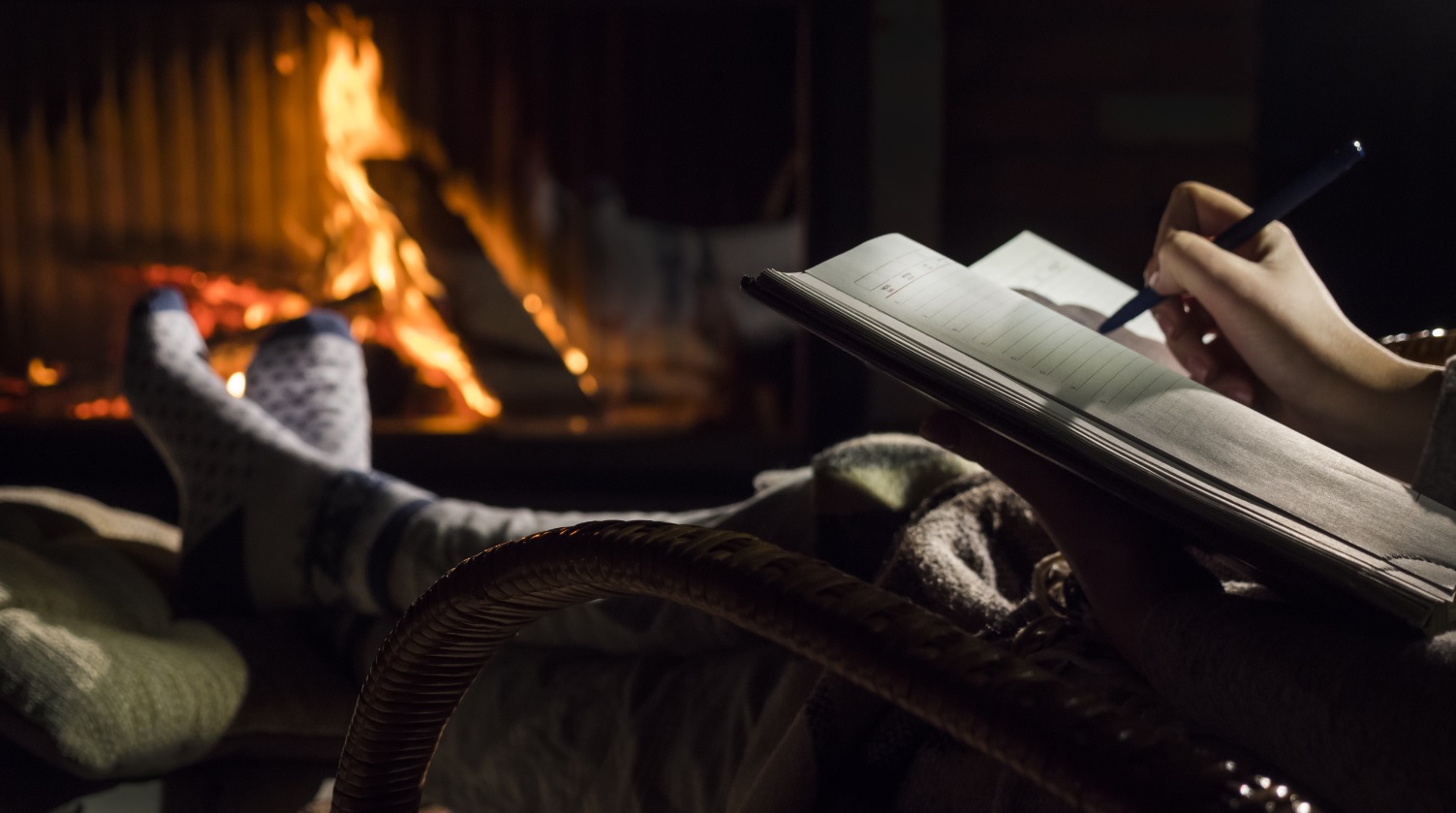
It’s simple; a set of prompts, a loose structure, and time set aside to move through it at your own pace. You can follow it closely or not at all. There’s no expectation to produce anything finished.
Dreamers Writing Farm
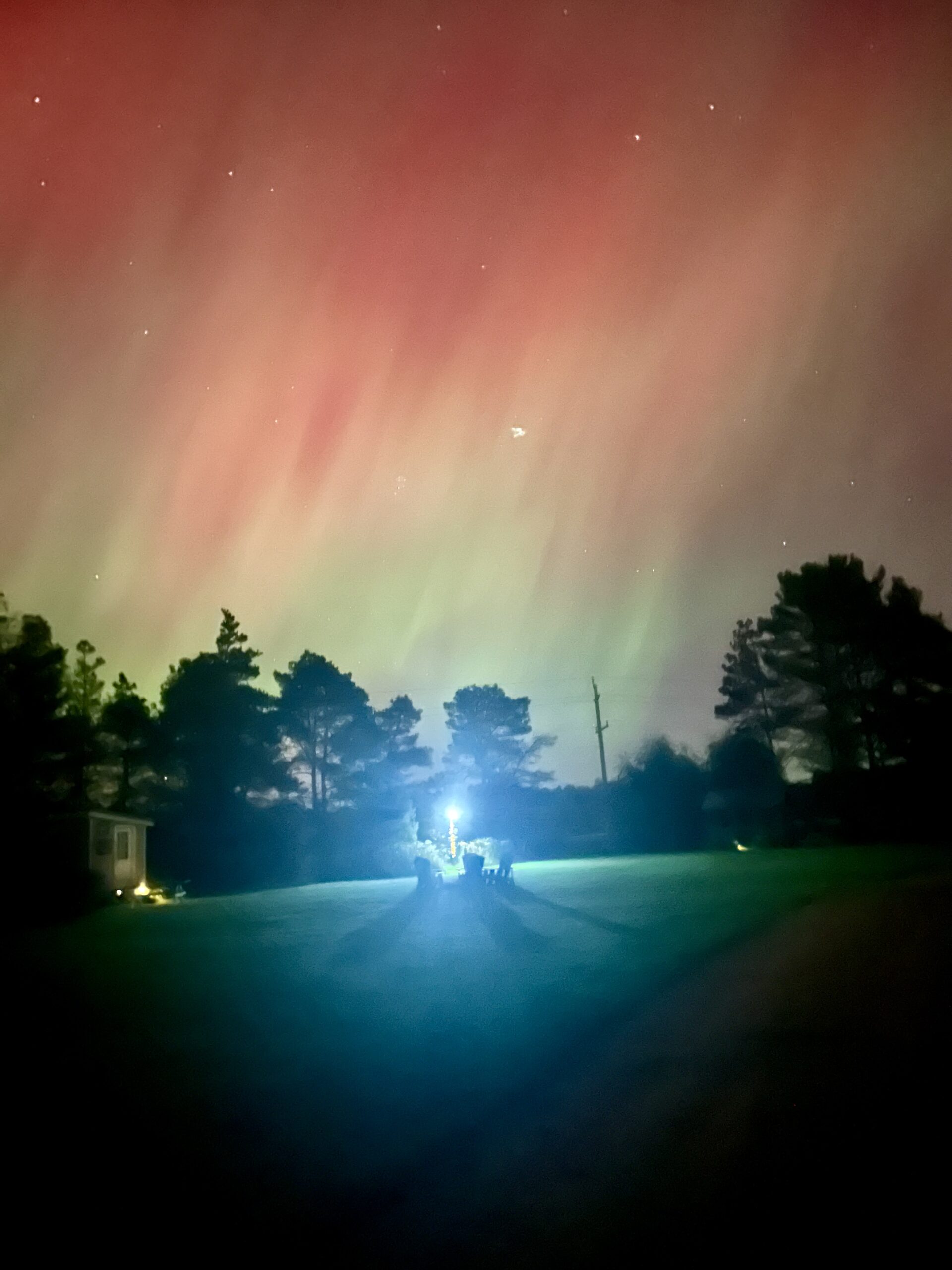
Dreamers Writing Farm is the physical home of the Dreamers community, a quiet, creative space on the Bruce Peninsula in Ontario. Writers, artists, and travellers stay here throughout the year in simple, literary-themed cabins, tents, and studio suites.