On Writing, Roots and the Work No One Sees
– Article and Video by Kat McNichol –
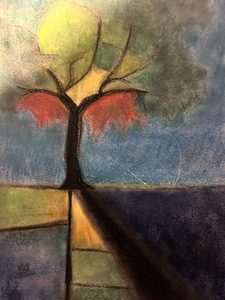
I came across a video recently about the way a tree grows in two directions at the same time.
We usually think of growth as upward. We notice the trunk getting taller, the branches stretching outward, the leaves filling in, the fruit appearing. But while all of that is happening, the tree is also growing down. Its roots move into darkness, through soil and around stone, anchoring the visible growth taking place above.
Roots are gravitropic. They respond to gravity by growing downward into the earth. Shoots respond differently. They grow upward, away from gravity, and are also phototropic, growing toward light.
The tree grows in two directions at once.
In the video I watched, speaker Myron Golden uses this as a metaphor on life, describing the “gravitropic nature of your journey.” He says:
“If you’re unwilling to go down, you can’t go up.”
And then:
“It’s the work that you do in the dark when it’s difficult and damp that makes the work that you do that everybody sees in the light work.”
I love that. I live that.
Another writer uses almost the same image. In Anam Cara: A Book of Celtic Wisdom, Irish poet and philosopher John O’Donohue writes:
“Each tree grows in two directions at once, into the darkness and out to the light…”
I keep thinking about writing this way. So much of writing happens below the surface.
Before we understand what we are trying to say, we circle it. We remember. We question. We write badly. We follow thoughts that go nowhere. Sometimes we write pages that never survive into the finished piece.
That is part of how I understand writing as inquiry. Writing is not only a way to communicate what we already know. It can also be a way of discovering what we think, making connections we had not yet seen, and learning through the act of writing itself.
One way I do this is through stream-of-consciousness writing. There is a part of my brain I have trained, over many years, to catch the thought before I censor it, organize it, or decide whether it makes sense.
Normally, though, that kind of writing exists within a context. It might happen during a proprioceptive write, in a journal, or in a private moment of contemplation. The thoughts are allowed to arrive without a filter because they are not all intended to travel any further than the page.
That distinction matters. Some thoughts need to be written in order to be understood. That does not mean they need to be read by anyone else. The page can hold the unfiltered version while we work out what, if anything, belongs in the world beyond it.
From the outside, all of this can look like nothing is happening. But something is growing. The visible piece comes later. The poem. The story. The essay. The paragraph that finally says what we have been trying to understand.
Those are the branches and leaves.
Underneath them is all the unseen work that made them possible: the discarded sentences, the difficult questions, the notebooks, the pauses, the things we have been willing to stay with long enough to understand differently.
Maybe this is also why making space to write matters.
Sometimes stepping away from ordinary routines, whether for an afternoon, a weekend, or to attend a writing retreat (try one of ours!), creates the conditions for that quieter work to happen. Not necessarily the work anyone else will ever see. The root work.
And I think this applies beyond writing too. We tend to notice visible growth: the new project, the finished work, the expanding audience, the thing that finally reaches daylight. But growth above ground depends on what is happening underneath it.
The support. The structure. The relationships. The systems. The people doing work that may not always be visible.
A tall tree with weak roots is vulnerable. Strong growth needs something strong enough underneath it to hold it there. And sometimes, if you want something to keep growing, the next thing to work on is not another branch.
It is the roots.
About the Author and Editor-in-Chief of Dreamers – Kat McNichol
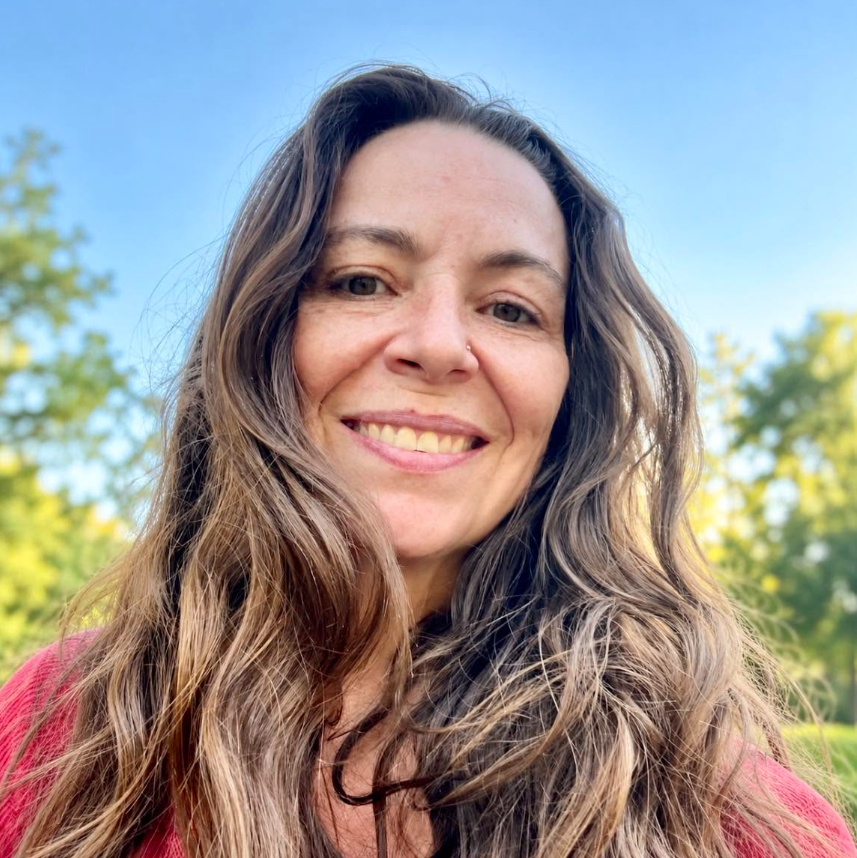
Angela Kathleen (Kat) McNichol is the owner and Editor-in-Chief of Dreamers Creative Writing and the Dreamers Writing Farm. She is an interdisciplinary researcher, writer, publisher and business owner whose work brings together writing, identity, behavioural science, technology, systems theory and entrepreneurship. She is an external PhD researcher at Tilburg University. Her doctoral research examines Career Writing, career identity and the ways people understand and communicate their work lives. Her work draws on behavioural science, systems theory, Dialogical Self Theory, autoethnography and writing as method. Follow Kat on Facebook and LinkedIn.
Keep Reading…
- A Tree Grows in Two Directions
 Above ground, we notice the trunk, the branches, the leaves, the fruit. Below ground, the roots are doing quieter work: growing into darkness, responding to gravity, creating the strength that makes everything visible possible. This article explores that idea through writing: the private work, discarded pages, questions, stream-of-consciousness writing, and all the thoughts that happen before a finished piece ever reaches another reader.
 - Anne Carson Wins the 2026 Nobel Prize in Literature
 Canadian poet, essayist and translator Anne Carson has won the 2026 Nobel Prize in Literature. The announcement celebrates a writer whose work continues to expand the possibilities of literature, moving between poetry, prose, translation and visual art.
 - Clarity, Drunk
 Uncle Dave had come upstairs to get my dad. There was much more drinking to be had, and to be fair to Dave (not really an uncle), my dad did have a habit of falling asleep in my room while his night was still young.
Meanwhile, at Dreamers…
Fireside Writing Retreat

It’s simple; a set of prompts, a loose structure, and time set aside to move through it at your own pace. You can follow it closely or not at all. There’s no expectation to produce anything finished.
Dreamers Writing Farm
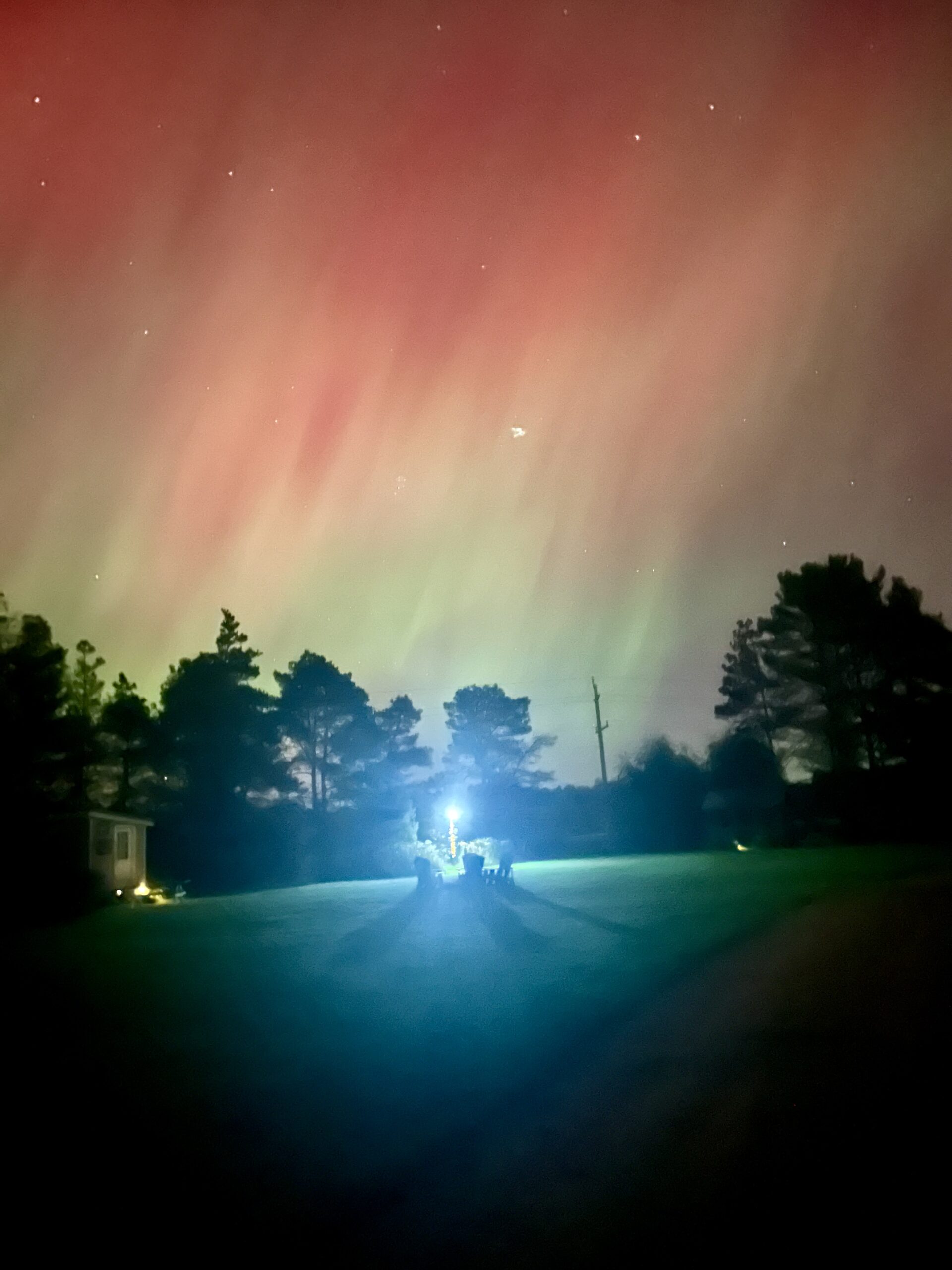
Dreamers Writing Farm is the physical home of the Dreamers community, a quiet, creative space on the Bruce Peninsula in Ontario. Writers, artists, and travellers stay here throughout the year in simple, literary-themed cabins, tents, and studio suites.